
How to Transition from 3M Novec – Step-by-Step Replacement Guide
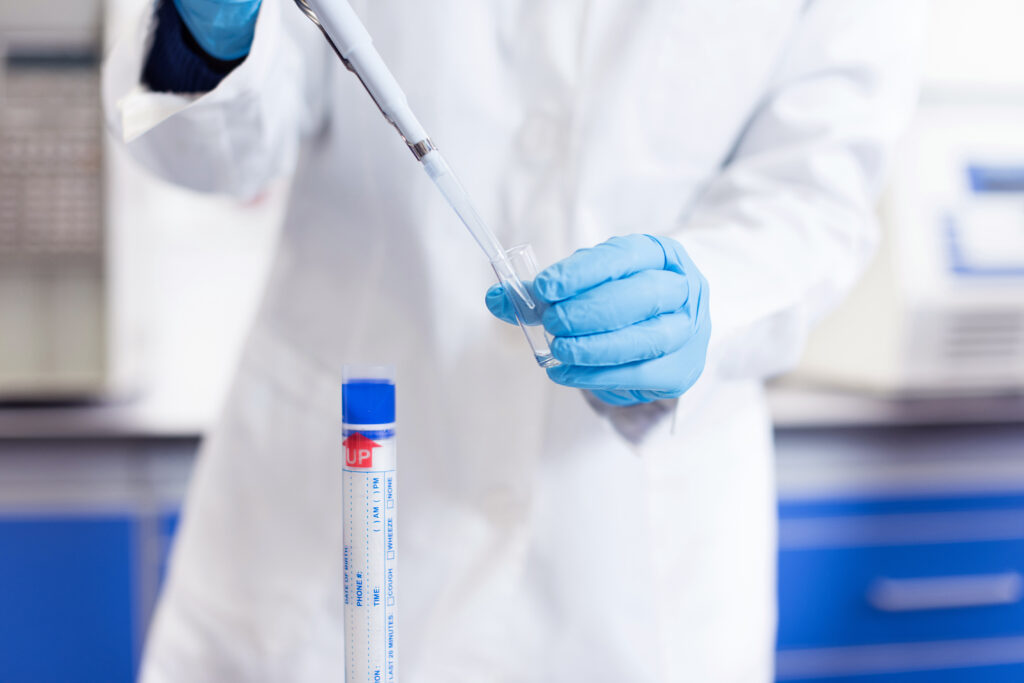
Overview With 3M’s Novec™ product line being phased out by the end of 2025 and a final order deadline of March 31, 2025, manufacturers are under increasing pressure to transition away from these widely used PFAS-based fluids. Regardless of which of the many applications (vapor degreasing, precision cleaning, or fire suppression etc..) you are using […]
Vapor Degreasing As A Cost-Effective Cleaning Method
When selecting a parts cleaning method, facility managers must keep many factors in mind. One of the most pressing things to consider is the environmental impact of the method chosen, and the need to remain compliant with environmental protection regulations. However, cost containment is also always an essential consideration when selecting any industrial process.
Top Ten Most Asked Questions About Vapor Degreasing
When selecting a vapor degreaser, you’re likely to have questions. From equipment set up and placement to questions about the chemicals used in the process, starting a vapor degreasing operation can appear daunting. But with the right guidance, it doesn’t need to be. Below is a simple guide to help you better understand vapor degreasing and the options available to you.
Novec™ vs. Enviro Tech Solvents – Performance and Compatibility Deep Dive
Overview With 3M discontinuing its Novec™ product line by the end of 2025, engineers and technical decision-makers face a critical question: Can replacement solvents match or exceed Novec’s performance and safety profile without disrupting existing processes? This guide delivers a data-driven comparison between 3M’s Novec fluids and Enviro Tech International’s high-performance alternatives, including both drop-in […]
Navigating the End of 3M’s Novec™ Line: What It Means and How to Prepare
Overview In December 2022, 3M announced its decision to exit the manufacturing of all per- and polyfluoroalkyl substances (PFAS), including the widely used Novec™ product line. This decision marks a pivotal shift in the industrial and environmental landscape as 3M commits to phasing out PFAS production completely by the end of 2025. The implications are […]
Why is vapor degreasing important to the aerospace industry?
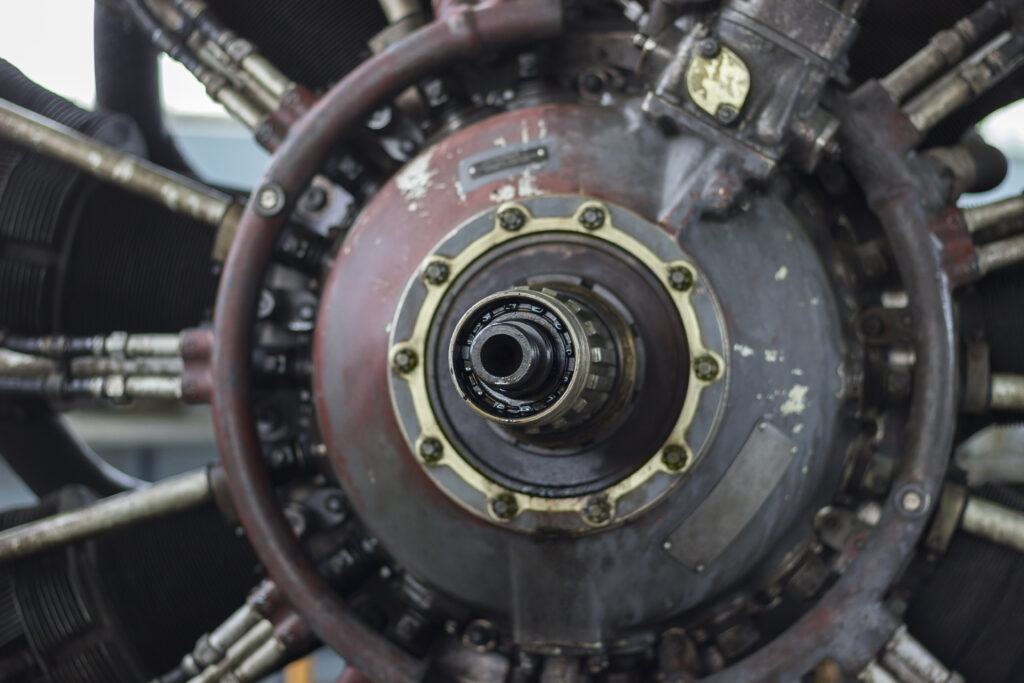
Vapor degreasing is a critical cleaning process in the aerospace industry, as it is used to remove contaminants such as oils, greases, and other soils from aircraft and aerospace components. These contaminants can interfere with the performance and safety of these components, so it is important to remove them through a thorough and effective cleaning process.
How It Works: Vapor Degreasing Explained
Vapor degreasing is a quick, economical and simple process for cleaning even the dirtiest manufactured parts — both metal and plastic — using a thermo-mechanical still and a vaporized solvent.
Immersion Cooling Liquids For Electric Vehicle Batteries
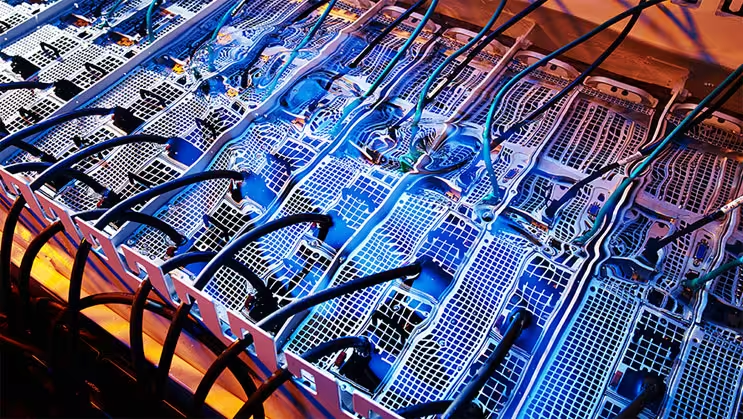
When choosing a liquid to use in immersion cooling, it is important to consider the specific needs of the system. Some factors to consider include the boiling point of the liquid, its toxicity, and its corrosiveness.The boiling point of the immersion cooling liquid is important because it determines the maximum temperature that can be reached before the liquid boils away. Toxicity is also important to consider. Corrosiveness is another important factor, as some liquids can corrode metal surfaces over time.
3M Novec Replacement Solvents
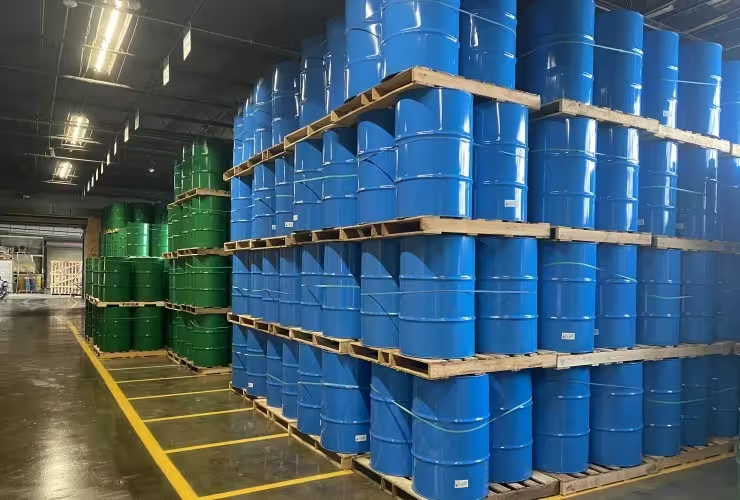
Our products are used across many industries as a replacement for hard to find or cost-prohibitive 3M Novec products. Whether you are need to replace an HFC, CFC, HCFC or nPB based solvent we have a solution for you.
Basic Industrial Cleaning — Types Of Chemical Solvents
Solvents are essential for any industrial cleaning application. There are hundreds of different types of solvent cleaners, each with its own characteristics and uses.
Before we discuss these solvent types, let’s first define what a solvent is — a substance (usually a liquid) that can be used to dissolve other materials without chemically changing them. Solvents are classified as inorganic (water is the most common example) or organic. Organic solvents contain carbon and include virtually all of the common industrial metal cleaning solutions.